What are macros?
Macronutrients, or macros, are the three nutrients that supply most of the energy in food: protein, carbohydrate and fat. Each provides a different amount of energy per gram:
| Macro | Energy per gram | Common sources |
|---|---|---|
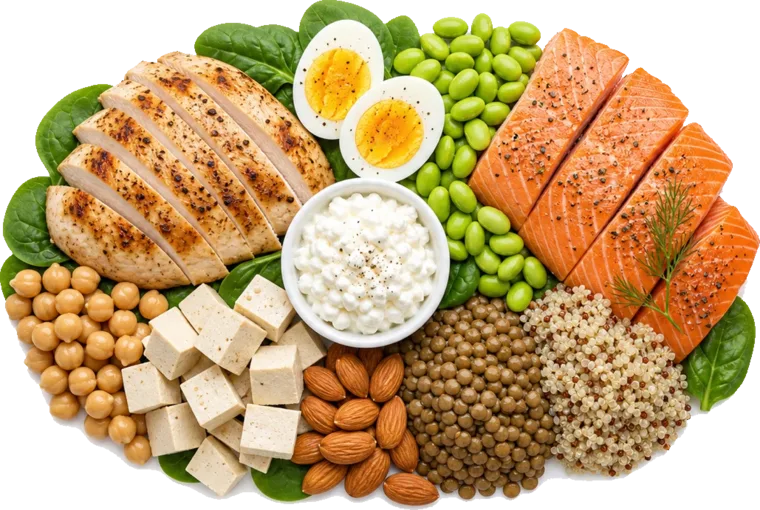
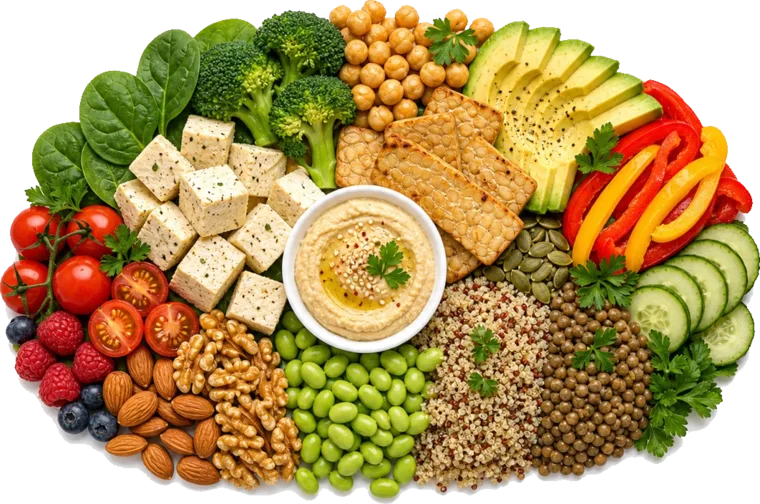
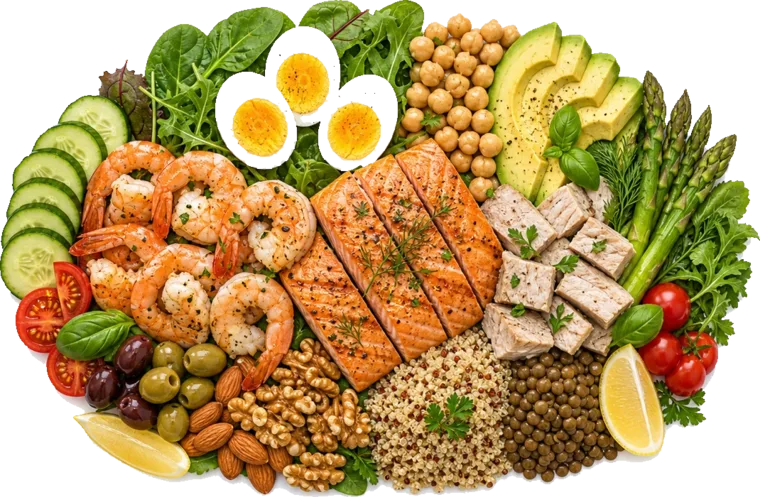
| Protein | About 4 kcal | Meat, fish, eggs, dairy, tofu, beans and lentils |
| Carbohydrate | About 4 kcal | Bread, rice, pasta, potatoes, fruit, oats |
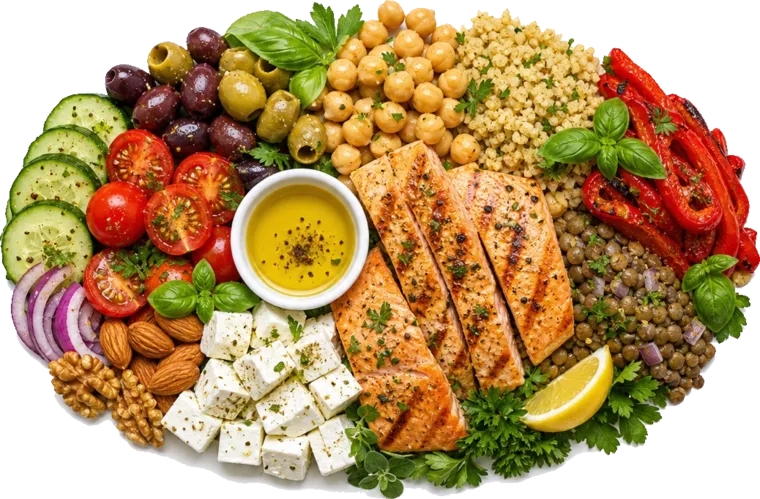
| Fat | About 9 kcal | Oils, butter, nuts, seeds, cheese, avocado |
Alcohol also provides energy (about 7 kcal per gram) but is not usually given a target of its own. Because every macro has a known energy value, your macro grams and your calories always add up to the same picture.
Step 1: Start with a calorie target
Macros divide up a calorie budget, so you need a budget first. Estimate your maintenance calories, the energy you use on a typical day, then decide whether you want to stay there, eat a little less or eat a little more.
The free CutWise calorie calculator estimates maintenance with the Mifflin–St Jeor equation and your activity level. Treat the result as a starting point, not a fixed truth.
Step 2: Set your protein
Protein is usually set first, based on body weight. The UK reference nutrient intake for adults is 0.75 g per kilogram of body weight a day. Sports nutrition guidance for people who train regularly often suggests more, commonly in the region of 1.4 to 2.0 g per kilogram.
Pick a figure you can realistically eat most days. If you have kidney disease or another medical condition, ask your doctor before raising your protein intake.
Step 3: Set your fat
Many dietary guidelines place fat at roughly 20 to 35% of daily energy. A middle value such as 30% suits many people. To turn a percentage into grams, multiply your calories by the percentage and divide by 9.
Step 4: Let carbs fill the rest
Whatever calories remain after protein and fat go to carbohydrate. Subtract protein and fat calories from your target and divide by 4.
A worked example
Someone weighing 70 kg chooses a 2,000 kcal target, 1.6 g of protein per kilogram and 30% of energy from fat:
| Macro | Calculation | Grams | Calories |
|---|---|---|---|
| Protein | 70 kg × 1.6 g | 112 g | 448 kcal |
| Fat | 2,000 × 30% ÷ 9 | 67 g | 600 kcal |
| Carbs | (2,000 − 448 − 600) ÷ 4 | 238 g | 952 kcal |
The macro calculator does this arithmetic for you and lets you adjust the protein and fat settings.
Step 5: Track what you eat
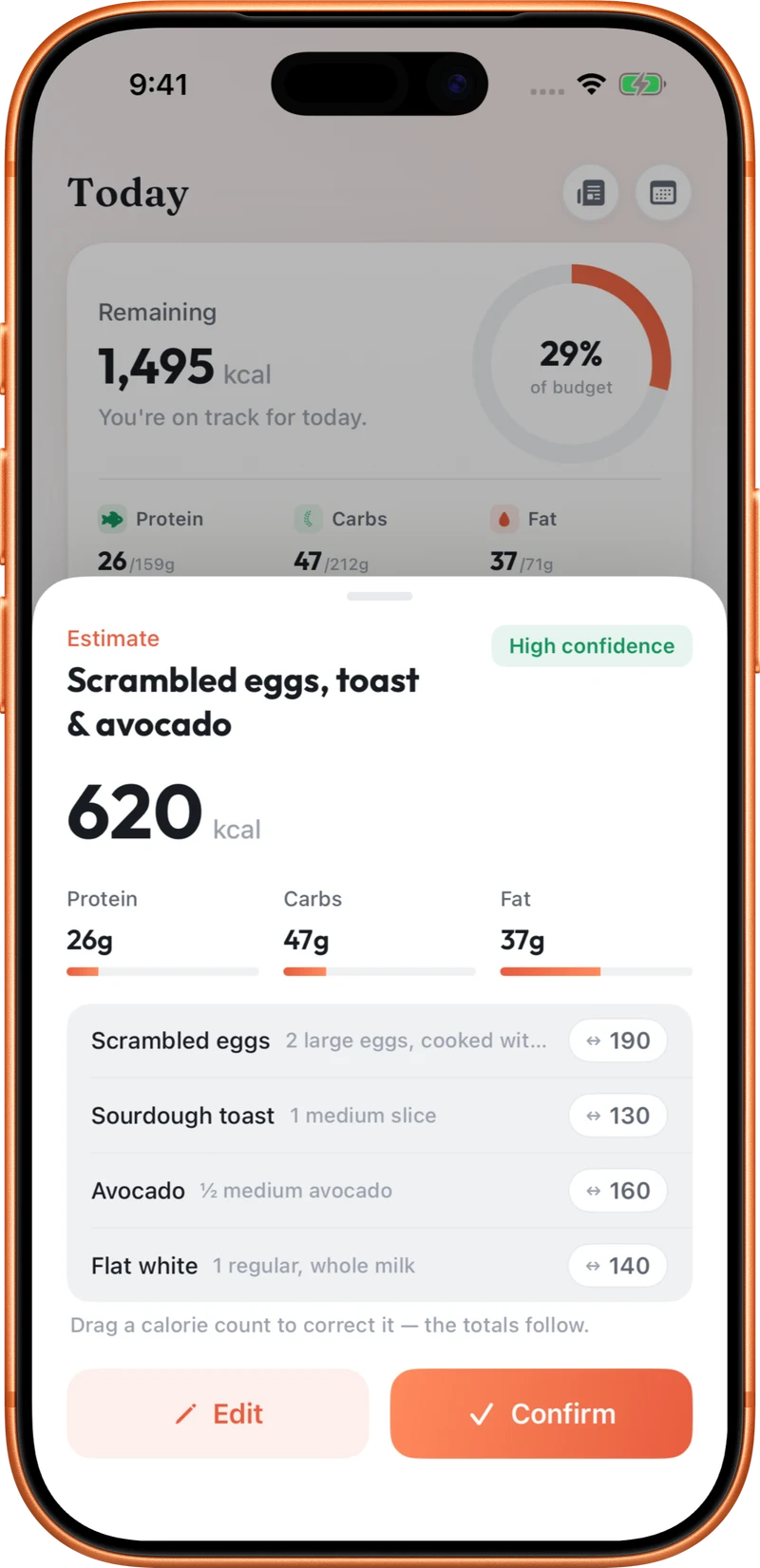
Targets only help if you can see how a day compares. Log meals as you go rather than trying to remember them at night. In CutWise, each entry shows calories alongside protein, carbs and fat, whether you take a photo, say what you ate, type a description or scan a barcode. You review the estimate before it is logged.
Partway through the day, you can ask Ember Coach something like “Which macro am I missing?” for ideas based on what you have logged.
Common mistakes to avoid
- Forgetting cooking fats and sauces. Oil, butter and dressings add fat quickly and are easy to leave out.
- Ignoring drinks. Milky coffees, juices and alcohol all count towards your totals.
- Mixing up servings. Check whether a label refers to 100 g or a serving, and log the amount you actually had.
- Chasing perfect days. Being a little over or under on one day matters less than your average across a week.